

Excursions
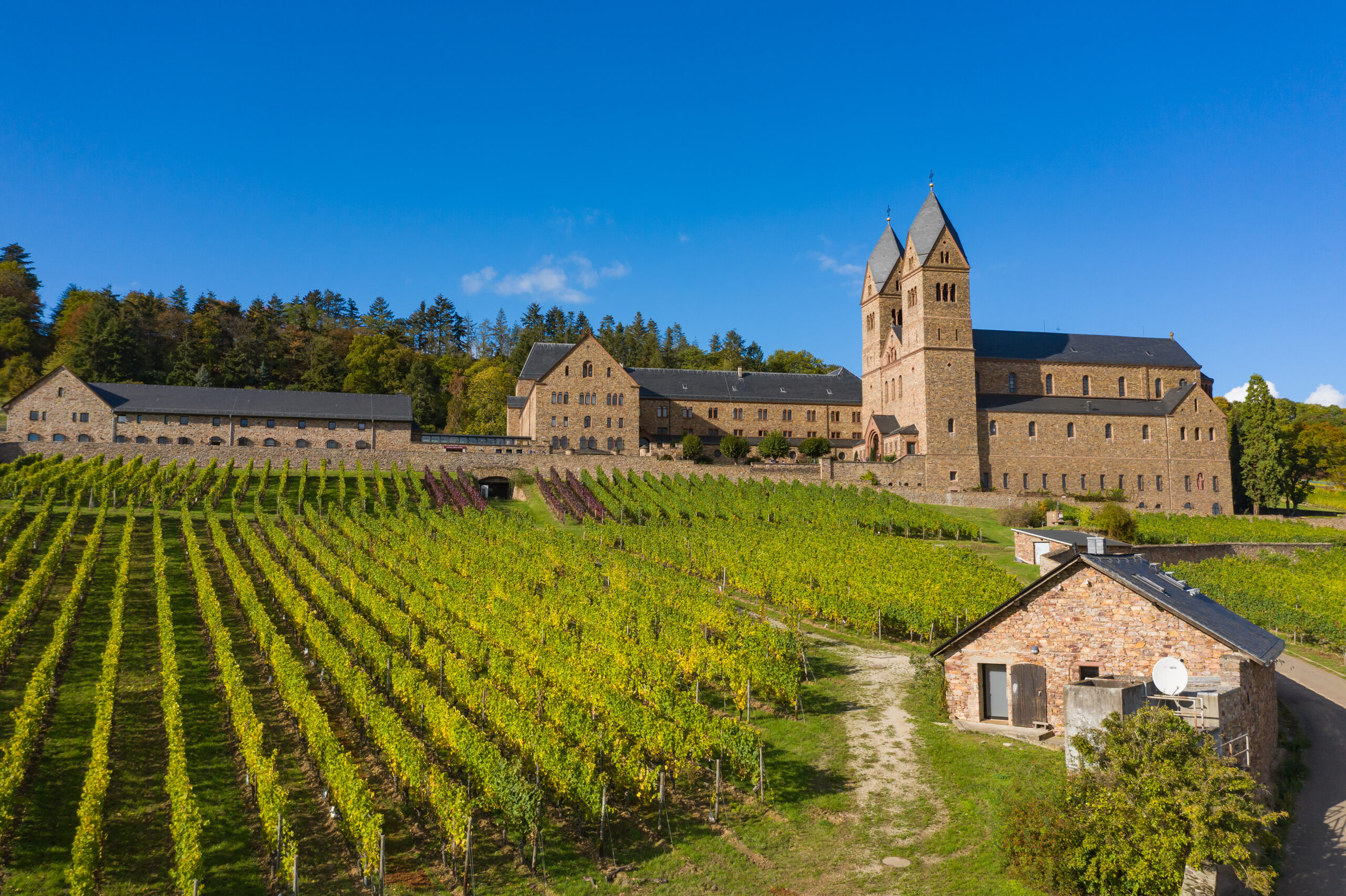
Abbey of St. Hildegard & Middle Rhine Valle
more information
On this excursion, we will visit the Abbey of St. Hildegard in Rüdesheim, overlooking the Rhine Valley. This Benedictine abbey was founded in honor of Hildegard of Bingen – one of the most remarkable women of the Middle Ages. A visionary, composer, healer, theologian, and later canonized as a saint and Doctor of the Church, Hildegard left a legacy that continues to inspire people around the world.
After a guided tour of the abbey, we will enjoy a relaxed lunch with regional specialties and take a scenic walk through the surrounding vineyards. There will also be an opportunity to browse products from the monastery’s own workshop or to attend a short moment of reflection or prayer.
June XX, XX h to XX h. Price: tbd €
 Sina Ettmer Photography/shutterstock.com
SCHUM sites along the Rhine: Mainz, Worms, Speyer – Jewish life in the Middle Ages (by bus)
more information
Discover the rich heritage of Jewish life in the Middle Ages with a journey to the UNESCO World Heritage “SCHUM” cities along the Rhine. By bus, we will visit Mainz, Worms, and Speyer – centers of Jewish learning, culture, and spirituality. The excursion invites us to explore synagogues, cemeteries, and places that bear witness to a unique chapter of European history.
More information following soon.
June XX, XX h to XX h. Price: tbd€
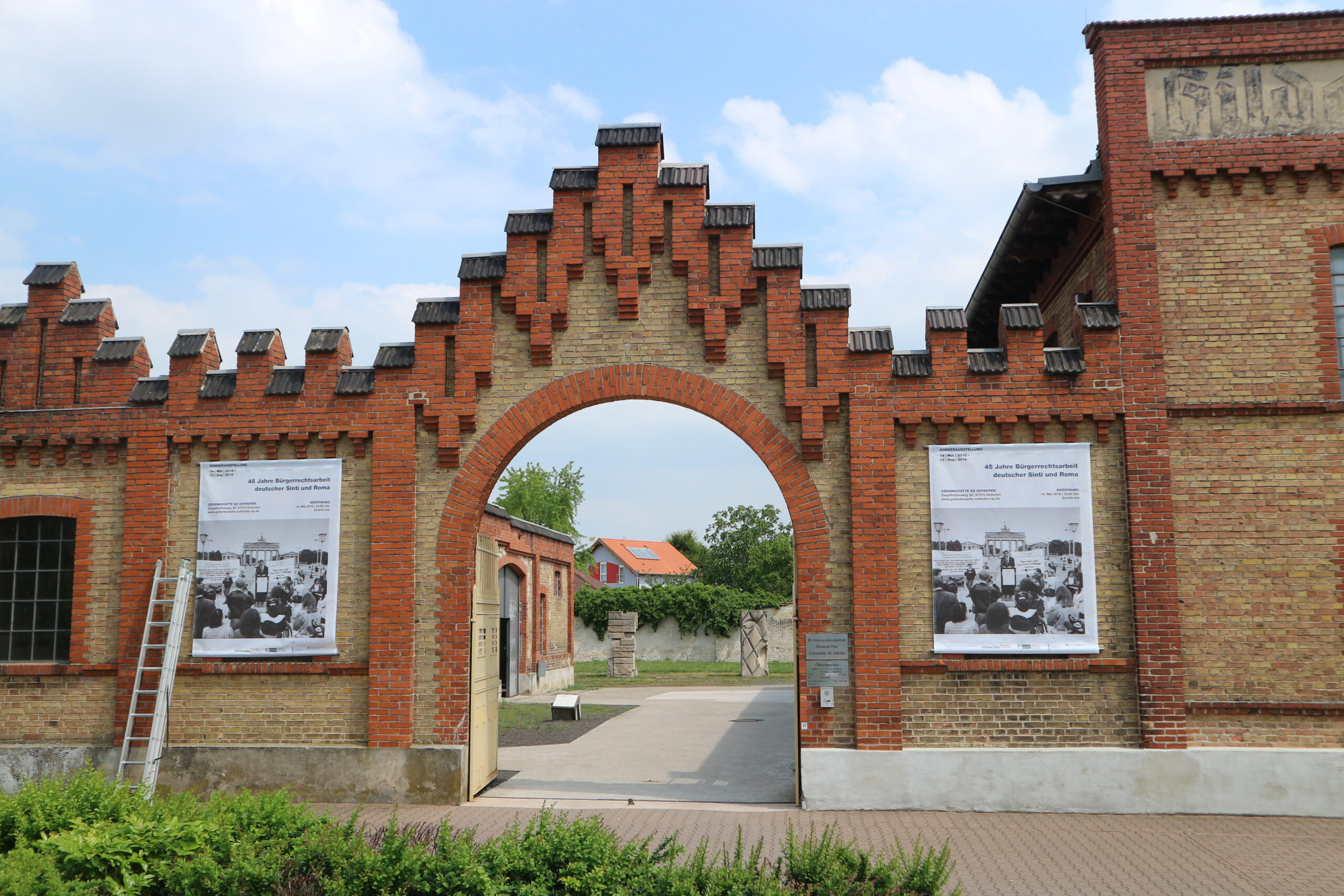
Memorial “Osthofen concentration camp”
more information
This excursion takes us to the former Osthofen concentration camp, one of the first camps established by the Nazi regime. Today, it is a memorial and place of learning that preserves the memory of those who suffered there. Through guided tours and reflections, we will explore the history of political persecution and the importance of remembrance for a democratic future.
More information following soon.
June XX, XX h to XX h. Price: tbd€
 Foto: Kreuzschnabel / Wikimedia Commons | CC BY-SA 3.0 Unported
Bahá’í Temple in the Taunus
more information
The Bahá’í House of Worship near Frankfurt is the European center of this worldwide faith community. Open to people of all religions and backgrounds, the temple is dedicated to unity, peace, and meditation. Our visit includes a guided tour and conversations on the Bahá’í understanding of interreligious dialogue and community life.
More information coming soon.
June XX, XX h to XX h. Price: tbd €
 Joshua Kettle on Unsplash
Rhine Shipping and Walk
more information
Enjoy the Rhine from a new perspective: a scenic boat trip combined with a riverside walk. This excursion offers time to take in the natural beauty of the river landscape, its castles, vineyards, and villages – a moment to relax and connect with fellow participants.
More information following soon.
June XX, XX h to XX h. Price: tbd€
 Markus Winkler on Unsplash
In and Under the Cathedral of Mainz
more information
The Mainz Cathedral, with more than a thousand years of history, reveals both its majestic interior and a hidden world underground. This guided visit will take us into crypts, archaeological layers, and stories that connect faith, art, and history.
More information following soon.
June XX, XX h to XX h. Price: tbd€
 Foto: Valgard / Wikimedia Commons | CC BY-SA 3.0 Unported
The Underground World of Oppenheim – Cathedral and Vineyards
more information
Oppenheim is famous for its Gothic cathedral and the labyrinth of cellars beneath the old town. Our excursion explores both: the architectural treasures above ground and the mysterious underground tunnels once used for storage and trade, ending with a walk through surrounding vineyards.
More information coming soon.
June XX, XX h to XX h. Price: tbd €
 Foto: Felix Koenig (King), basierend auf einem Foto von Thomas Roessing (Trg) / Wikimedia Commons | Public Domain Mark 1.0
Johannes Gutenberg University Mainz – Diverse and International
more information
Founded in 1477, the Johannes Gutenberg University Mainz is today a hub of international research and education. A guided tour will highlight its history, diverse student life, and ongoing role in shaping intercultural dialogue and academic exchange.
More information following soon.
June XX, XX h to XX h. Price: tbd€
 Foto: PantheraLeo1359531 / Wikimedia Commons | CC BY 4.0 International
The Role of Media in a Democracy – Visit to ZDF
more information
Media plays a crucial role in sustaining democracy. At the broadcasting center of ZDF, one of Germany’s largest public broadcasters, we will gain behind-the-scenes insights into news production and media ethics. If possible, the excursion will also include a visit to the Gutenberg Museum in Mainz.
More information following soon.
June XX, XX h to XX h. Price: tbd€
 Getty Images on Unsplash
Visit to a Castle on the Rhine & Eltville am Rhein
more information
The Rhine Valley is home to countless castles and historic towns. Depending on availability, this excursion will take us either to a medieval castle or to the charming wine town of Eltville. Both options invite us to enjoy cultural heritage, hospitality, and the unique atmosphere of the Rhine.
More information coming soon.
June XX, XX h to XX h. Price: tbd €
 Reggie B. on Unsplash
Frankfurt – Museumsufer
more information
Frankfurt’s “Museum Embankment” is one of the most important cultural landscapes in Germany. Along the river, world-class museums line up side by side, offering art, history, and culture from around the globe. Participants can choose among several museums for an afternoon of discovery.
More information following soon.
June XX, XX h to XX h. Price: tbd€
 Patrick Müller on Unsplash
Coming soon…
more information
Details will be
following soon.
June XX, XX h to XX h. Price: tbd€
Workshops
Workshops will be facilitated by representatives from universities and organisations worldwide.
Time (A)
Corinna Hirschberg (A:A1)
Religions on Campus
more information
About the Workshop:
What is the situation regarding religion on campus? What opportunities are there for religious practice at each location, and how do the different religions interact with one another? Following a brief introduction, we would like to discuss these questions and share practical ideas with one another.
About the Speaker:
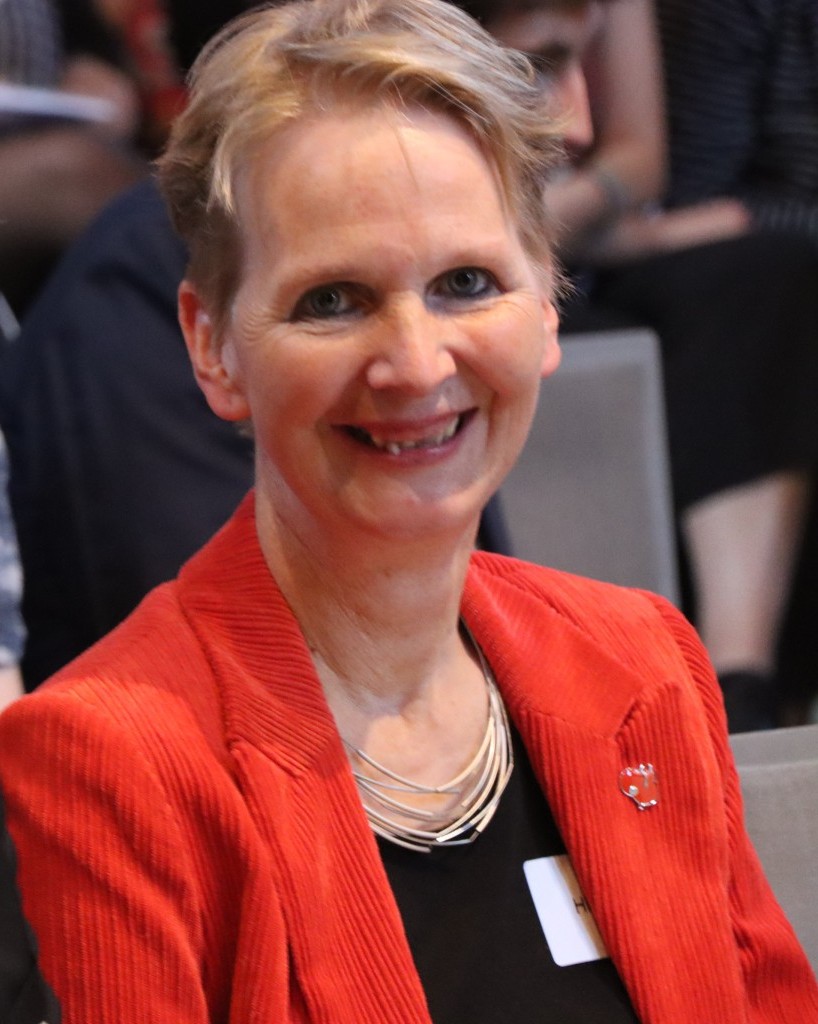
Corinna Hirschberg, National Protestant Student Pastor (she/her), Germany
Greg McGonigle (A:A2)
The Journeys of Reconciliation Program at 40: Interfaith Travel Learning for Promoting Justice and Peace
more information
About the Workshop:
For 40 years, the Emory University Chaplaincy’s Journeys of Reconciliation program has helped students become more thoughtful and compassionate global citizens through interfaith international travel learning. By learning directly from leaders in regions affected by crisis and conflict (including in the USA), students gain insight into social healing, reconciliation, and positive social change beyond the classroom. Through archival research, interviews, and analysis, this workshop will argue that programs like Journeys can play a significant role in students’ character formation and serve as an effective model for interfaith and intercultural education that promotes justice and peace worldwide. Participant insights and conversations will be welcomed.
About the Speaker:
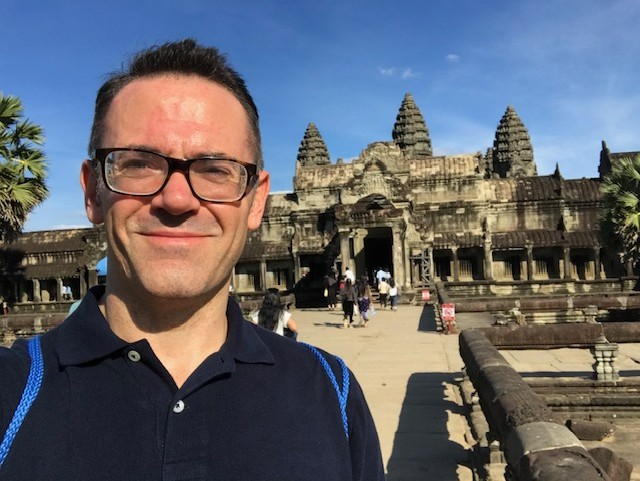
Rev. Dr. Gregory W. McGonigle is the dean of religious life at Emory University in Atlanta, Georgia, USA. He is a Unitarian minister and the author of the book Religious Diversity and University Chaplaincy. He has been a higher education chaplain for over 20 years and has served at multiple colleges and universities. He is the past president of NACUC and currently serves as secretary of IACHE. An avid traveler and pilgrim, he has visited over 50 countries.
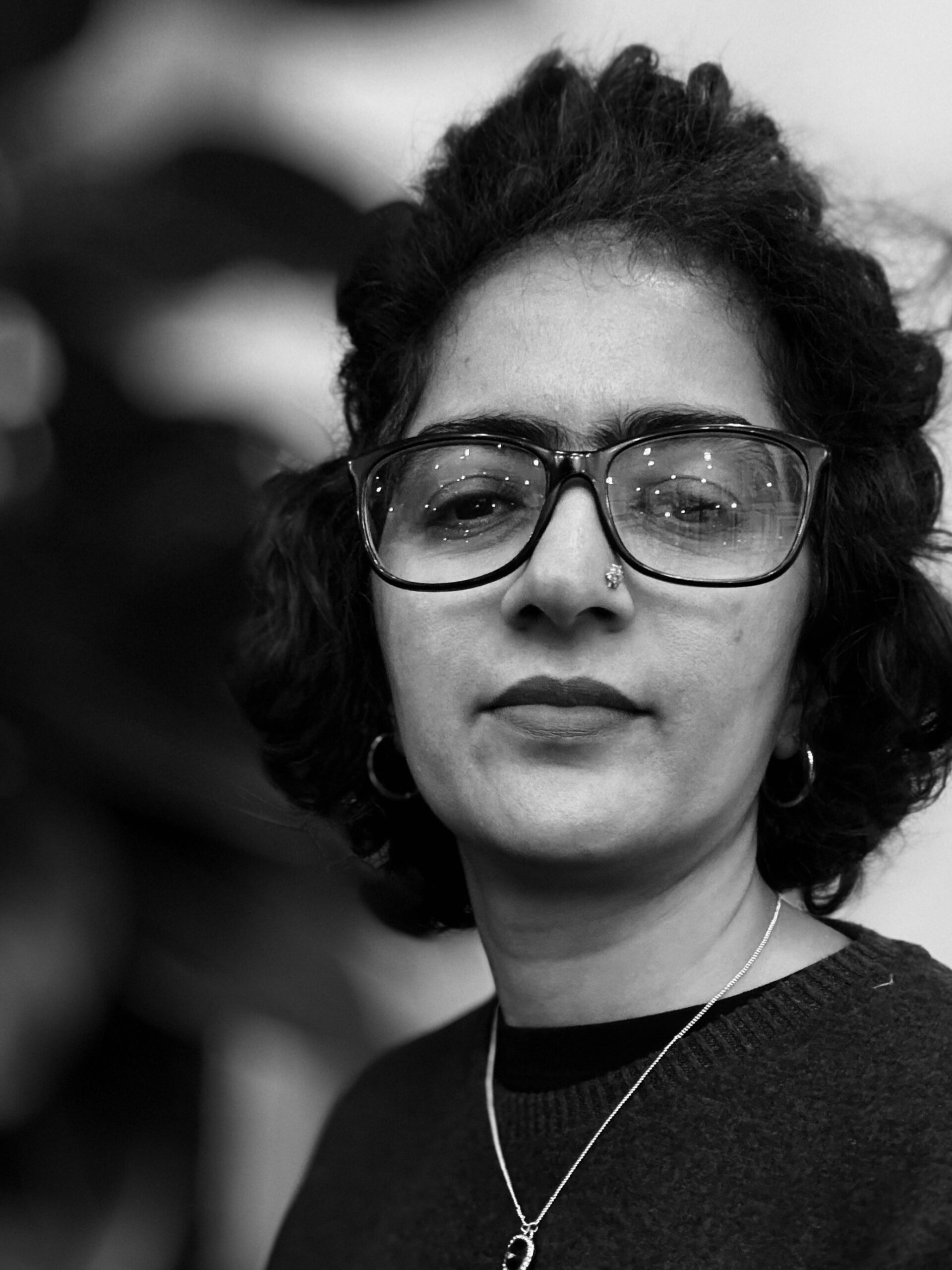
Granaz Baloch (A:A3)
The Peace Encounter – Bracelet workshop
more information
About the Workshop:
In this interactive bracelet-making workshop participants will explore connection, diversity, and intercultural dialogue through the shared experience of creative making. Using beads, colours, and symbolic charms, each participant creates a wearable piece that tells a personal story of connection, hope, or identity. Participants will reflect on questions such as: What symbol represents hope in divided times? What does diversity look like when translated into forms and colours? How will peace be brought back to the world with the colourful beads to connect with each other in a thread?
At the end of the workshop, participants will display their bracelets together as “The IACHE 2026 Bracelet Collection”.
About the Speaker:
Granaz Baloch is a PhD candidate from Balochistan and her research interests are environmental justice movements and feminist transnational networks of the Global South. Her recent work includes “Gender Mainstreaming in the Governance of Global Citizens’ Assemblies”. She has featured in the first Climate Change Heroes children’s book published by SOC Films.
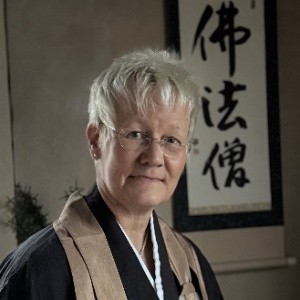
Hogets Baerndal (A:A4)
Introduction to Mindfulness in Action
more information
About the Workshop:
Mindfulness in action exploring doodling involves drawing simple shapes, patterns, or lines while paying attention to your breathing and the movement of your hand. Doodling can quiet mental noise and help you stay grounded in the present moment without worrying about creating perfect art. As your focus settles on the rhythm of drawing, you may feel more relaxed, creative, and emotionally balanced. Doodling can also be a different way to learn how to practice Mindfulness if one struggles to only focus on the breath.
About the Speaker:
Hogets Baerndal (she/her) is the Mindfulness chaplain at Imperial College London, Buddhist chaplain at King’s College London and SOAS London and the Buddhist faith adviser at the University of the Arts London. Hogets is also a Mindfulness Meditation teacher and teacher trainer as well as Zen teacher.
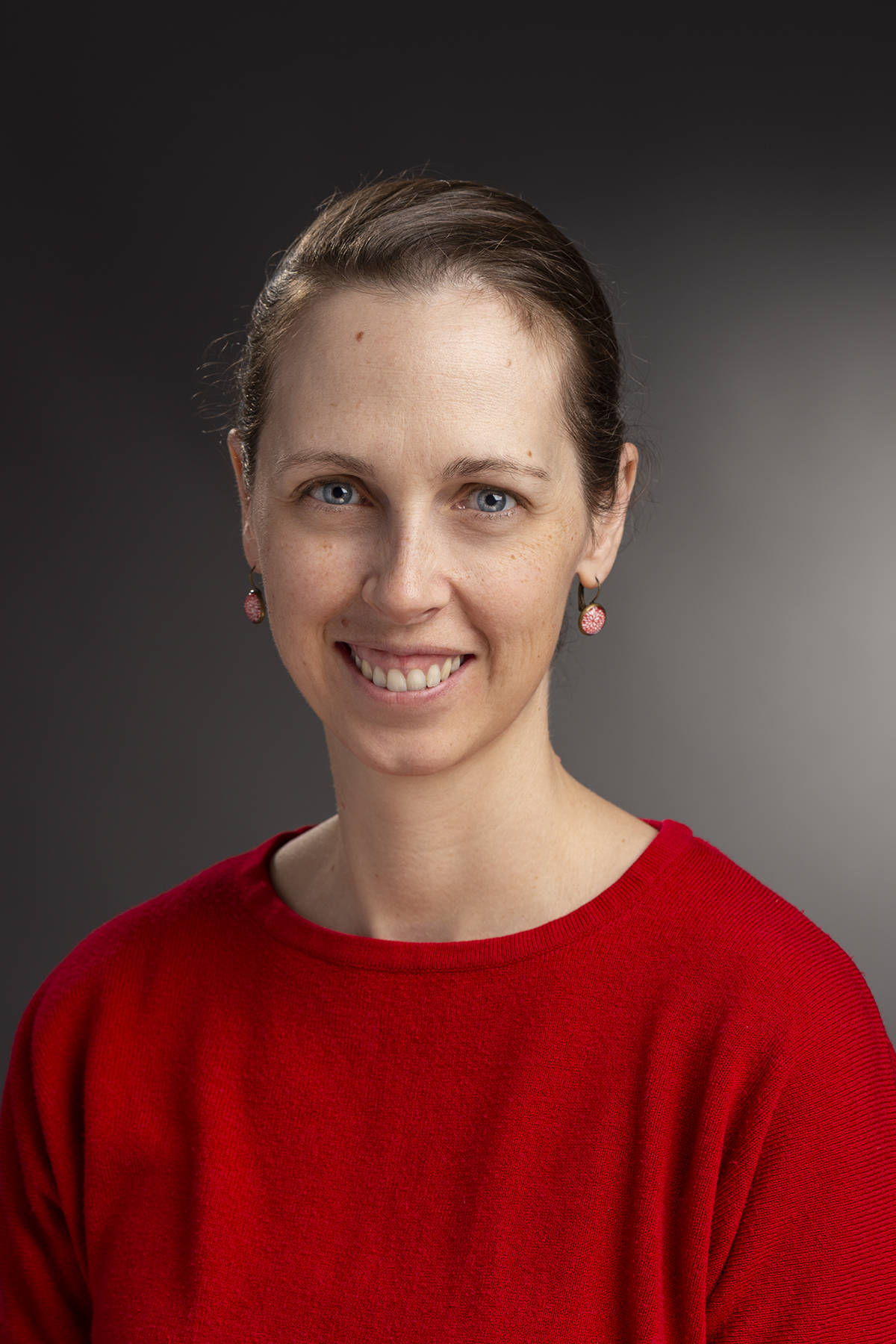
Dr. Monica Sanford (A:A5)
Beyond Siloed Formation: Evidence for Early Multireligious Pedagogy in Preparing Campus Chaplains
more information
About the Workshop:
Campus chaplaincy increasingly requires ethically grounded practice across religious difference, yet many MDiv pathways still treat interreligious formation as supplemental rather than foundational. This workshop presents an in-process mixed methods assessment of an explicitly multireligious MDiv program, drawing on higher education chaplaincy field education evaluations, alumni surveys, and focus groups to examine which pedagogical and formational elements shape readiness for multireligious practice. While final results are still forthcoming, early evidence suggests that multireligious formation strengthens transferable chaplaincy competencies in multireligious spiritual care, institutional navigation and public ethics, and collaborative leadership.
About the Speaker:
Rev. Dr. Monica Sanford is the Assistant Dean for Multireligious Ministry at Harvard Divinity School. She is a Buddhist chaplain, formerly a director of spiritual life and college chaplain, and currently serves as a high school chaplain on weekends. She teaches and conducts research on Buddhist spiritual care and spiritual formation, multireligious pedagogies and curricula in theological education, and spiritual care for the nonreligious.
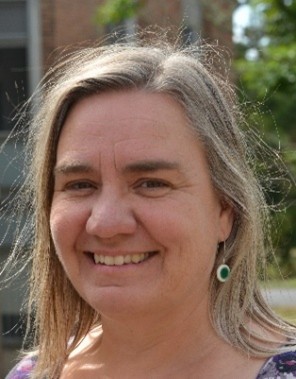
Ramona Nash (A:A6)
Interreligious Spiritual Practice: An Introduction to Council Circles
more information
About the Workshop:
The Way of Council, or Circle Practice, is a way to engage with others from the heart. This method of deep listening can be done with groups across religious and cultural boundaries. This workshop will give a brief introduction to Council, its origins and applications in Chaplaincy work, and a chance to try it out for yourself.
About the Speaker:
Ramona Nash is the Multifaith Chaplaincy Coordinator at the University of Exeter (UK). Ramona holds an MA in Theology, Imagination and Culture from the University of Winchester.
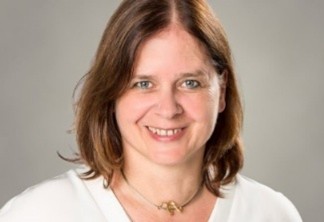
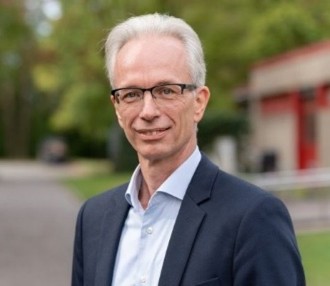
Ute Klewitz & Prof. Dr. Stephan Pruchniewicz (A:A7)
Biographical work as a process of recognition and ambivalence
more information
About the Workshop:
What is the situation regarding religion on campus? What opportunities are there for religious practice at each location, and how do the different religions interact with one another? Following a brief introduction, we would like to discuss these questions and share practical ideas with one another.
About the Speaker:
Corinna Hirschberg, National Protestant Student Pastor (she/her), Germany
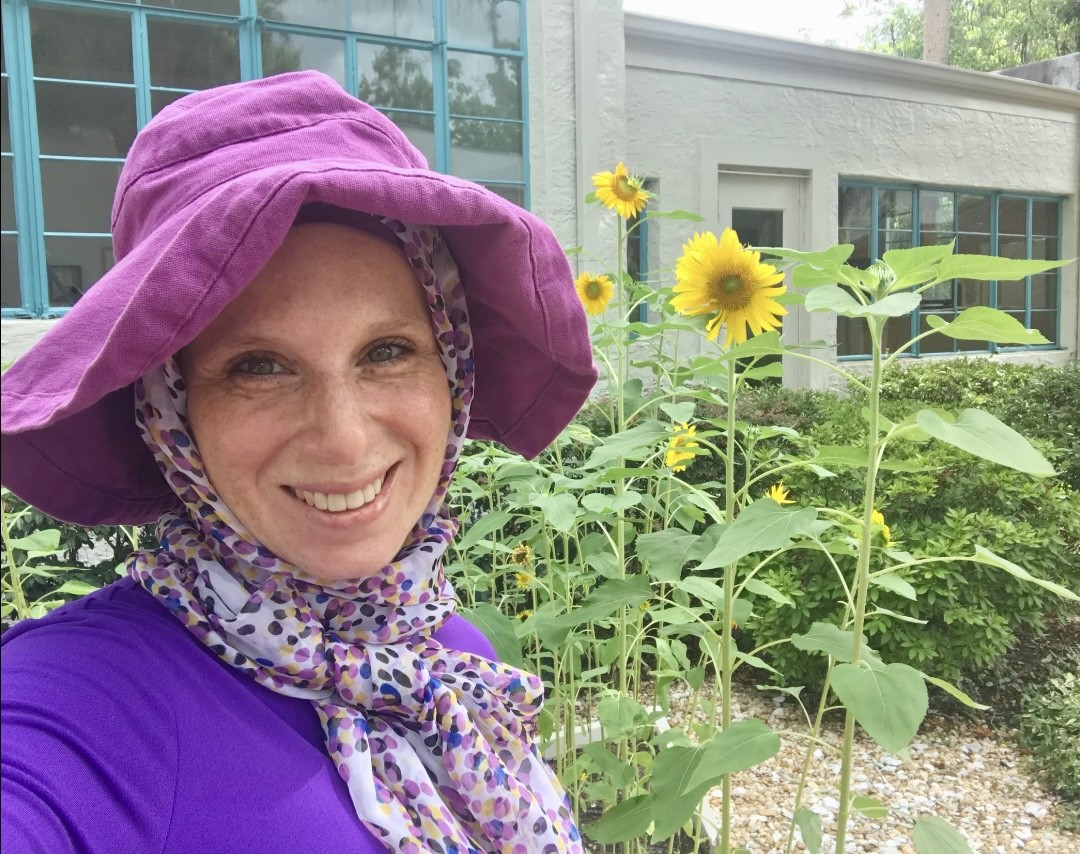
Arig Wageeh Elhamouly (A:A8)
Islamic Chaplaincy as a Bridge of Interfaith Engagement: Exploring Its Role in Fostering Interreligious Understanding in the United States
more information
About the Workshop:
This study examines the growing importance of Islamic chaplaincy in the United States amid rising need for sound interfaith relationships in order to develop structures that foster mutual respect across religious traditions. As American Muslim communities diversify—demographically, ethnically, and theologically — the role of the chaplain has evolved beyond traditional pastoral care to address increasingly complex intercultural and interreligious realities. The central research question guiding this study is: How is Islamic chaplaincy developing in the U.S. in response to interfaith dynamics and the broader societal demand for interreligious understanding, and what implications does this growth hold for the field of intercultural and interreligious studies?
Methodologically, this research utilizes a qualitative design, drawing on semi structured interviews with Muslim chaplains (from within the Association for Muslim Chaplains) working in higher education; content analysis of chaplaincy training curricula at Hartford Seminary and the Islamic Seminary of America; and a review of existing scholarship on U.S. religious pluralism and pastoral care. Interview data will provide insight into chaplains’ lived experiences and lessons learned, while curricular analysis will help us examine emerging competencies that reflect shifting community needs.
Islamic chaplains increasingly serve as mediators who help Muslims and non-Muslims alike navigate ritual, ethical, and cultural questions that arise in interfaith settings. They also play a crucial role in dispelling misconceptions about Islam within institutions, offering a model of religious leadership grounded in dialogue rather than doctrinal exclusivity. The study examines whether Islamic chaplaincy is truly positioned to bridge cultural divides as its practitioners are uniquely trained to uphold Islamic spiritual frameworks while simultaneously engaging respectfully with non Muslim traditions. This dual competency enables chaplains to cultivate environments of trust, reduce tensions, and model collaborative approaches to spiritual care.
The relevance of this research to interreligious and intercultural studies is apparent. Islamic chaplaincy in higher ed represents a developing field that both responds to and shapes the pluralistic landscape of college campuses across the United States. By examining how chaplains navigate identity boundaries, negotiate meaning in spiritual formation, and advocate for religious accommodation within institutions, this study hopefully contributes to broader conversations about coexistence in diverse societies. Ultimately, the growth of Islamic chaplaincy highlights how religious leadership can evolve to support ethical, empathetic engagement across traditions—an increasingly vital competency in a world ever increasing in multicultural and multifaith interconnectedness.
About the Speaker:
Arig Wageeh Elhamouly is an Educator and Chaplain in university administration and community leadership who completed her studies at Johns Hopkins University and pursued advanced education at Hartford Seminary (now Hartford International University for Religion and Peace), Aspen University and Harvard Divinity School. She currently serves as the Assistant Director and Assistant University Chaplain at Vanderbilt University, where she fosters inclusive and resilient campus communities. Reflecting her deep commitment to holistic care, her work focuses on the vital intersection of spirituality and religion with mental and physical health.

IACHE (A:A9)
more information
Open Space for sharing our spiritual sources of power in our work as University Chaplains. Here there is space and opportunity for a group that comes together spontaneously. Here we can discuss the sources and inspirations of the various traditions. We can share with one another what empowers us and gives us energy.
Time (B)
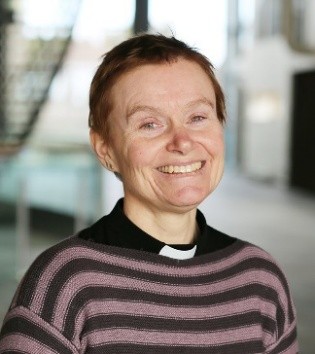
Anneli Sandberg (B:B1)
Dialoge and Democracy with the Diversity in Nature?
more information
About the Workshop:
The global ecological crisis poses new questions about our relations with the more-than-human world. Is it possible to negotiate with nature? From a Christian view and aware of the multi-faith perspective. Based on studies of Bruno Latour and his book Facing Gaia.
About the Speaker:
Anneli Sandberg, pastor in Uniting Church of Sweden and biologist.
Ellie Hummel (B:B2)
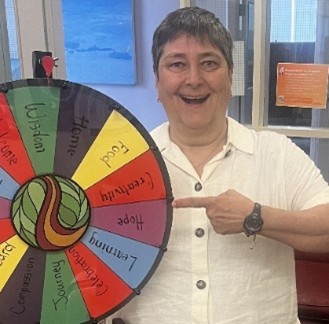
The Question Wheel: Engaging students through inclusive conversations
more information
About the Workshop:
What gives your joy? What is your comfort food? What is your favourite holiday? Open-ended, inclusive questions like these lead to reflections, deep conversations and connections. It helps students step away from the daily tasks and think about the big picture.
Come experience the power of the question wheel for yourself and learn about the methodology and ways to use question in many creative ways as a powerful tool for inclusion.
About the Speaker:
Rev. Ellie Hummel has been working as chaplain in post-secondary education for over 25 year. She currently serves as Multi-faith Chaplain and Spiritual Care Coordinator at Mt. Allison University, as small Liberal Arts University in Sackville, New Brunswick, Canada.
Günther Sturms & Barry Baron (B:B3)
Exploring the future of IACHE
more information
About the Workshop:
In this workshop we will have a dialogue about your interests? How do you see the future of our global chaplaincy community? What do you need? What is our higher goal? How can we make this happen? How do we energize our community? How do we create more online gatherings? We love to hear your ideas.
About the Speaker:
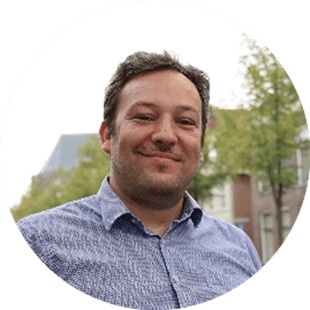
Günther Sturms, Chair of IACHE / Representative of CEUC, Delft University (Netherlands)
Rabbi Barry R. Baron has served as Chaplain and Campus Rabbi at Colgate
University since June 2019. In addition to his chaplaincy responsibilities, he regularly teaches “Rabbis Reinventing: The Making of Judaism as We Know It,” as part of Colgate’s Jewish Studies Program.
Previously, Rabbi Baron served as a Chaplain in the United States Army, from which he retired in 2018, and, over a 14-year period, in synagogues in Houston, Texas, Youngstown, Ohio, and Vestal (Binghamton), New York. He is the co-author of “Religious Advising for Strategic Effect: US Army Chaplains as Change Agents,” published in Small Wars Journal (May 2013).
A graduate of the Army’s Command and General Staff College, Rabbi Baron holds a Bachelor of Arts in History from Cornell University and a Master of Arts, Rabbinic Ordination, and Doctorate of Divinity (honoris causa) from The Jewish Theological Seminary of America.
Jill Shaw (B:B4)
A Round-Table Discussion of Co-Created Shared Spiritual Spaces: Navigating the Ethics and Design of Multifaith Shared Spaces on Secular Campuses. A Values-Led Approach to Multifaith Shared Environments
more information
About the Workshop:
As higher education institutions navigate the complexities of pluralism, the design of shared spiritual space often defaults to a sterile “neutrality.” This frequently results in soul-less environments that satisfy institutional policy but fail to foster true community or belonging. This workshop challenges the “neutral room” model, offering a transformative, relational approach to creating spaces that resonate with a “spirituality-seeking” generation.
While the context of postmodern Aotearoa New Zealand serves as our spring-board, the challenges addressed are universal. Whether in the secularized cities of Europe or the diverse campuses of North America, chaplains are searching for ways to make “interfaith” spaces feel authentically spiritual. We will explore the universal tensions of naming and hospitality: How do we include the “nones” and those wounded by religion? How do we move beyond a “prayer room” booking system to build a shared ethos?
This session is designed as a collaborative laboratory rather than a lecture. Using the facilitator’s experience establishing Te Mana o te Whakapono (a Faith and Spirituality Centre) in a policy-void environment as a case study, we will investigate how indigenous spiritualities and Pacific perspectives on hospitality provide a vital “third way.” By centering whanaungatanga (intentional relationship-building), we will examine how naming, hospitality, and shared values move the campus community from being mere “visitors” to becoming kaitiaki (guardians) of the space’s mana.
This workshop seeks strategies for:
- Moving beyond the “secular vs. religious” binary to embrace contemporary spiritualities.
- Applying relational, values-based indigenous frameworks to solve modern administrative and social frictions.
- Consideration of the impact of naming and of authentic hospitality on the inclusion of marginalised identities and the “spiritually independent.”
- Transforming under-utilised “prayer rooms” into vibrant, co-owned community hubs.
The Collaborative Process Participants from the Global North and South will
troubleshoot the “secular-spiritual” frictions on their own campuses through a values exercise. This co-design process will identify the core pillars of an ideal spiritual hub—focusing on who people see and what they feel when they walk in. The insights and “best practice” methodologies shared will be synthesized into a collaborative “Working Paper” for inclusion in the conference proceedings, serving as a global resource for the design and use of spiritual environments. Our goal is to develop an international peer network for ongoing dialogue on the ethical and practical evolution of campus chaplaincy.
About the Speaker:
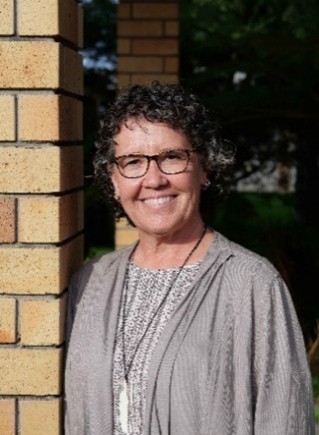
Jill Shaw has earned two degrees in Theology, has done research in African Traditional Religions, the origins and similarities of wisdom literature across cultures and holds certifications in Professional Supervision and Clinical Pastoral Education She serves on the executive of Aotearoa New Zealand Tertiary Chaplains’ Association, is Vice-Chair of the International Association of Chaplains in Higher Education and volunteers with the NZ Religious Diversity Centre. In these roles, she advocates for constructive social change and stronger interfaith understanding.
Jill is a trusted advisor to the NZ Ministry of Ethnic Communities, Whaikaha Ministry for Disabled People, YES! Disabilities, and leads initiatives, such as Weaving Empathy and the Inclusive Faith projects fostering healing, social cohesion and meaningful community engagement. Jill has presented and consulted on the religious leaders’ role in countering violent extremism for the United Nations Asia Pacific Conference of Religious Leaders 2017 in Bangkok, Thailand, and for the Foreign Ministry of Kosovo’s Countering Violent Extremism International Conference 2016. Jill is currently a Co-coordinating Chaplain at Massey University, Auckland, where she provides spiritual support, cultural guidance, and a safe space for students & staff, having served on the chaplaincy team since 2003.
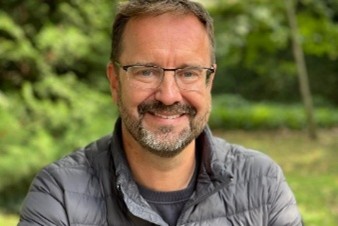
Mathias Berger (B:B5)
Queer in Church – How to become more diverse & inclusive
more information
About the Workshop:
Queering institutions as a response to social shifts. Confronting exclusion and
contempt for humanity is the Church’s mission, as the Council document *Gaudium et Spes* emphasises. This mission must be put into practice in church and other spiritual contexts. It is worth looking beyond our own horizons: Here in our area, there is the ‘School of Diversity’ label from QUEERNET-RLP; in Austria, the Rainbow Pastoral-Certificate provides practical guidance.
Following an introduction about our queer-affirmative pastoral care, there will be a workshop session on planning concrete steps within one’s own area and context of responsibility.
About the Speaker:
Mathias Berger, he/him, Coordinator for Queer-Sensitive Pastoral Care in the Diocese of Mainz / Vicar of the Catholic Parish of Liebfrauen and the Comunidad Católica de Lengua española Mainz / Spanish-speaking Catholic Community of Mainz / Previously Diocesan Youth Minister of the Diocese of Mainz.
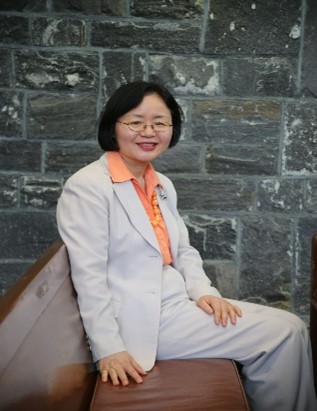
Meehung Chung (B:B6)
University Chaplaincy in Asia
more information
About the Workshop:
University Chaplaincy in Asia Let us share examples of our spiritual education in our work as University Chaplain in Korea and beyond. Let us discuss together the following questions:
- What does it mean to conduct Christian Chaplaincy in a multi-religious and multicultural society?
- How could we promote ecumenical movement throughout our chaplaincy work toward Justice, Peace, and Integrity of Creation?
- How could we contribute to developing the Green Campus movement?
About the Speaker:
Meehung Chung is a Professor of Theology in the United Graduate School of Theology at Yonsei University, a Reverend of the Presbyterian Church in the Republic of Korea (PROK), and Dean Emerita of the university Chaplaincy. She is also the Director of Yonsei’s Centre for Justice, Peace and Integrity of Creation and the moderator of the Commission for Ecumenical Education and Formation (EEF) of the World Council of Churches. She has published numerous books and articles on reformed theology with Gender Awareness and eco theology. In 2006 she was awarded the Karl-Barth prize of the Union of Protestant Churches within the EKD (Evangelische Kirche in Deutschland) for her doctoral thesis on Karl Barth, Josef Lukl Hromadka and Korea and also for her other research. She received the Marga Bührig Award in 2013 and was named one of ten key Reformed theologians by the World Communion of Reformed Churches (WCRC) in 2017.
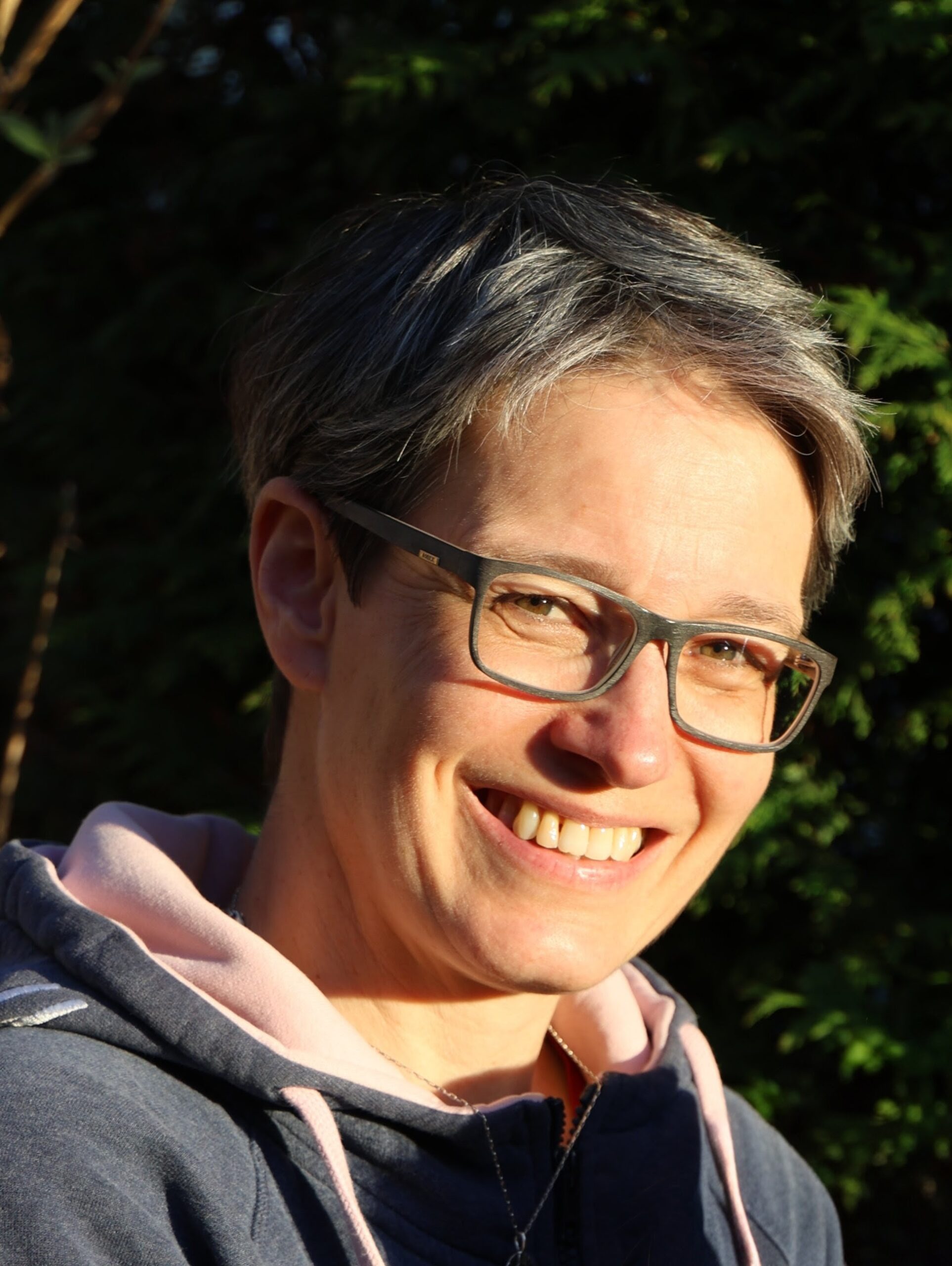
Monika Bertram (B:B7)
LGBTI+ – queer – genderfluid?!
more information
About the Workshop:
What do these – and other terms mean and why are they important for university chaplaincy work? In this workshop we are exploring the meaning of various different terms that express diverse sexual orientations and gender identities. Come and explore with us in a playful way the significance of these terms, their possibilities and limitations.
About the Speaker:
Monika Bertram is pastor of the Protestant Church in Hesse and Nassau and she is a member of the ecumenical rainbow service team in Mainz.
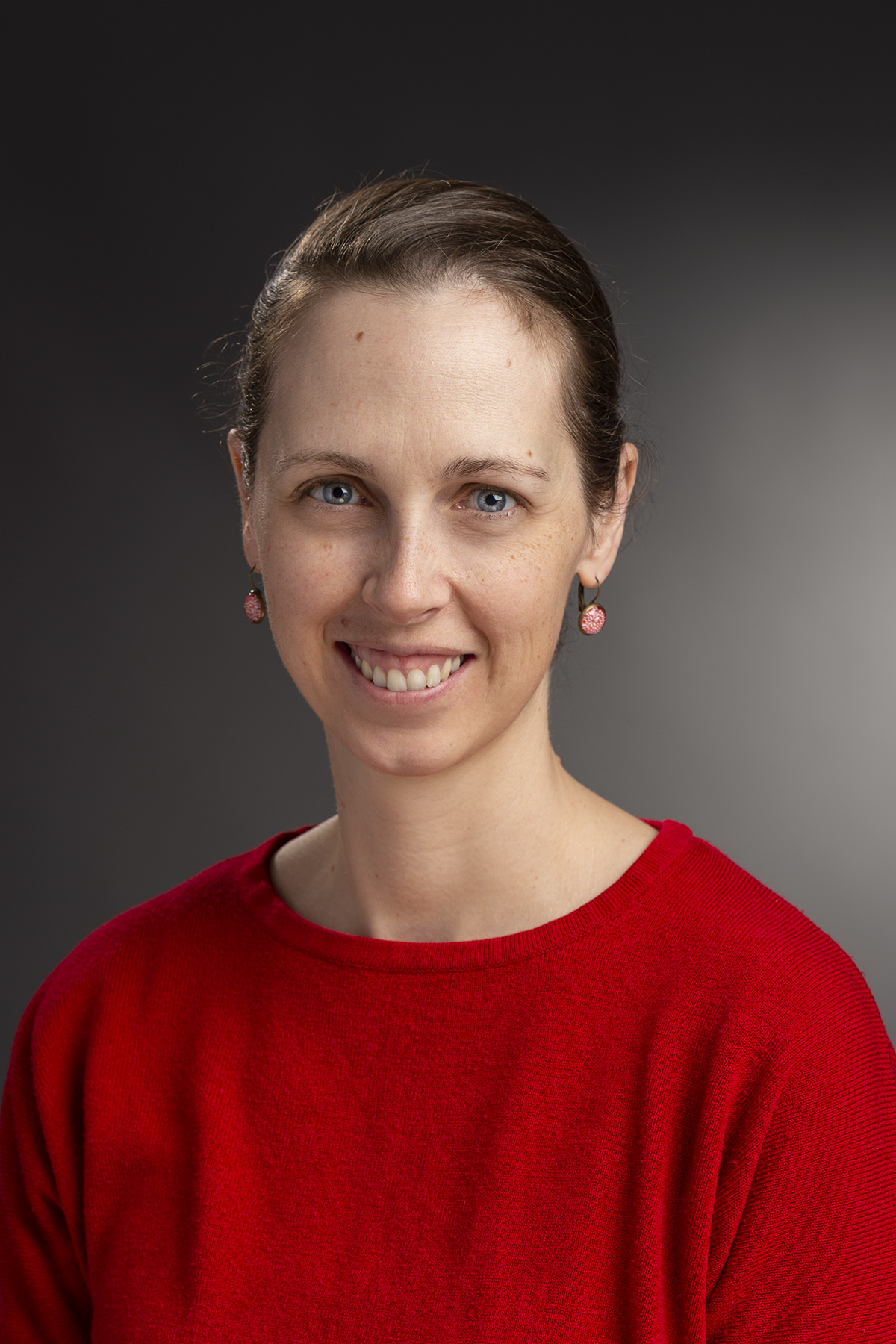
Dr. Monica Sanford (B:B8)
Three Publics, One Chaplain: Preparing Buddhist Campus Chaplains for Pan-Buddhist Care, Secular Practice, and Non-Theocentric Belonging
more information
About the Workshop:
Buddhist campus chaplains in North American higher education serve three
overlapping publics: internally diverse pan-Buddhist communities, non-Buddhist students seeking meditation or mindfulness, and students leaving theistic traditions who support and guidance pressure toward conversion. Drawing on integrative literature synthesis, original research on Buddhist chaplains in North America, and direct chaplaincy experience, this paper argues that Buddhist campus chaplaincy functions as a laboratory for interreligious professional formation. It identifies three portable formation competencies for higher education chaplaincy: bounded pluralism for minoritized traditions, disciplined translation of contemplative practices
without erasure, and robust pastoral engagement with religiously unaffiliated
students as a legitimate constituency.
About the Speaker:
Rev. Dr. Monica Sanford is the Assistant Dean for Multireligious
Ministry at Harvard Divinity School. She is a Buddhist chaplain, formerly a director of spiritual life and college chaplain, and currently serves as a high school chaplain on weekends. She teaches and conducts research on Buddhist spiritual care and spiritual formation, multireligious pedagogies and curricula in theological education, and spiritual care for the nonreligious.
Rev. Ellie Hummel has been working as chaplain in post-secondary education for over 25 year. She currently serves as Multi-faith Chaplain and Spiritual Care Coordinator at Mt. Allison University, as small Liberal Arts University in Sackville, New Brunswick, Canada.